
Tobacco did not arrive in Europe as a leisure product. It arrived as medicine.

Following early contact in the Caribbean, Europeans quickly adopted tobacco—not as a recreational habit, but as a substance believed to have healing properties.
During the 16th century, tobacco evolved from an indigenous ritual plant into one of the most misunderstood yet influential substances in Europe.
From the Caribbean to Europe
After encountering the Taíno, European explorers began documenting tobacco use.
They soon incorporated it into their own medical frameworks.
As part of the Columbian Exchange, tobacco was transported to Europe, where it lost its original ritual context and was reinterpreted through European medical theory.
Tobacco as medicine
Throughout the 16th century, tobacco was widely regarded as a therapeutic plant.
It was used to treat:
- Physical pain
- Respiratory conditions
- Wounds
- Digestive issues
These uses were based on observable effects.
Tobacco produced immediate physiological responses—relaxation, dizziness, altered perception—which reinforced its perceived medicinal value.
The distortion of indigenous knowledge
This marks a critical turning point in tobacco history:
Europe did not adopt Taíno knowledge.
It reframed it.
For indigenous cultures, tobacco was spiritual and ceremonial.
For Europeans, it had to fit into humoral medicine.
This created a fundamental distortion:
- The practice survived
- The meaning changed
The result was the idea of tobacco as a “universal remedy.”
A growing social phenomenon
As its use expanded, tobacco began to move beyond medicine.
Its consumption spread across social classes, driven by:
- Scientific curiosity
- Medical experimentation
- Emerging trade networks
Tobacco became part of daily life in Europe.
From medicine to commodity
The transition was inevitable.
If tobacco had value, it could be traded.
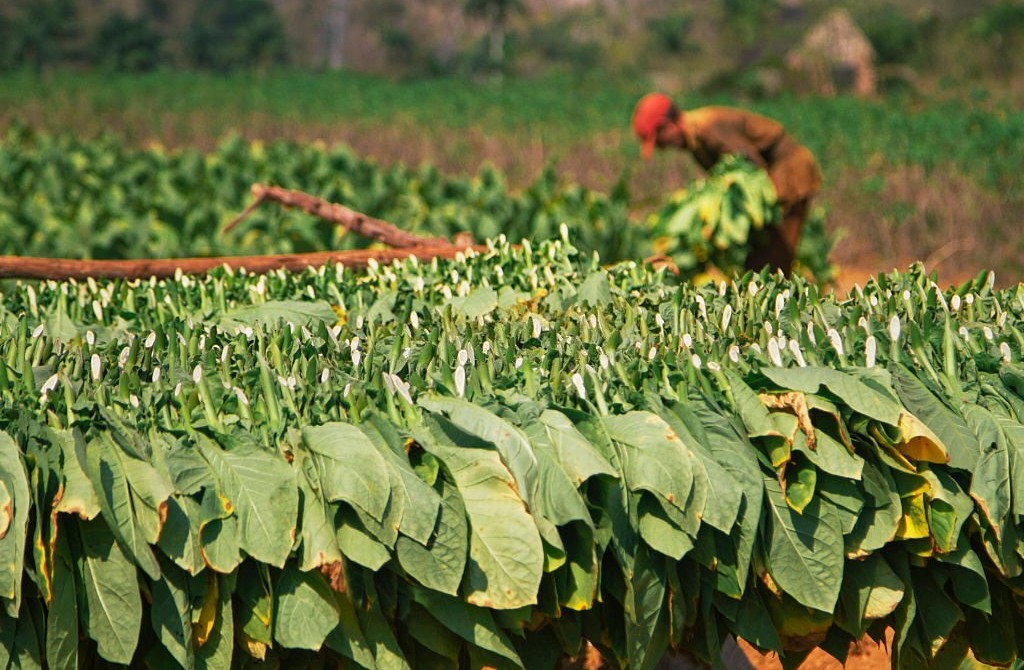
During the 16th century, cultivation for export began to develop, laying the foundation for its transformation into a commercial product.
This shift would lead to:
- Colonial monopolies
- Government regulation
- Agricultural expansion
- Global trade
A structural transformation
The 16th century represents a decisive turning point.
In less than a century, tobacco transitioned through three stages:
- Indigenous ritual
- European medicine
- Trade commodity
This was not a superficial change.
It redefined tobacco’s role in the global economy.